Drafty windows that make rooms unusable in winter
We replace the unit and air-seal the perimeter with expanding foam and caulk. New weatherstripping and low-E glass close the path. Most homeowners notice the difference on the first cold morning.
Double hung window installation in Ohio is what we do across the state, from lake-effect towns to the Appalachian foothills. If your home has drafty sashes, foggy glass between panes, or frames you have to slam to close, we replace them with tilt-in double hungs that seal tight and clean easy. One crew, one day, no mess left behind.
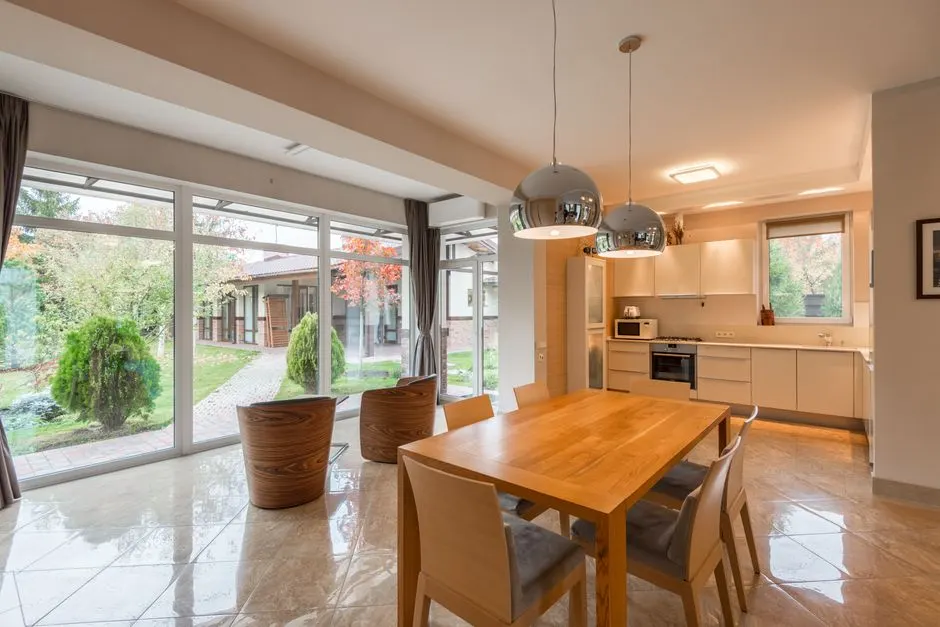
Double hung window installation in Ohio means pulling the old sash, checking the rough opening for rot and square, then setting a new unit plumb and level with window setting blocks and shims. We insulate the gap with expanding foam, seal the exterior with flashing tape and caulk, and tune the balances so both sashes glide and tilt in for cleaning. Most single openings take two to three hours; a full floor of eight windows runs a full day.
Ohio homes need this work because our weather swings hard. A January morning in Dayton can hit 8 degrees, and a July afternoon in Fairfield pushes 92. That cycle works on weatherstripping and seal failure until you feel it as a cold draft across the floor. Homeowners searching for double hung window replacement Ohio usually tell us the same thing: the furnace runs nonstop and the front room still feels like a porch.
Every double hung job we run covers the full opening, not just the unit. That means removal, framing check, flashing, insulation, trim, and cleanup. Here is what is standard on our quotes and what we price separately if your house needs it.
We pull the sash, balances, and stops, then cut the unit free with a utility knife and pry bar. Old windows leave the property the same day. No dumpster sitting in your driveway for a week.
We check for square, rot, and water damage before anything new goes in. Soft framing gets repaired and treated. Skipping this step is how a new window ends up leaking in year three.
Flashing tape at the sill and jambs, plus a sill pan on exterior openings. This is the detail most cheap installs skip and the reason we get called to fix leaks on other companies' work.
Expanding foam at the perimeter gap, then caulk at the interior and exterior trim line. This closes the air path that made your old window feel like an open door in January.
Interior casing reinstalled or replaced to match, exterior caulk tooled clean, and the whole room vacuumed. We walk the job with you before we load the truck.
We measure every opening inside and out with a tape measure, note sill height and frame depth, and check for rot with a pry bar. You get a written per-window price, not a ballpark. Most quotes go out same day, and there is no charge for the visit.
We order your units from Andersen, Pella, Marvin, or Simonton based on your budget and frame type. Vinyl, wood, or fiberglass, all ENERGY STAR rated for our climate zone. Lead time runs two to four weeks. We call you when the truck date is locked.
Crews lay drop cloths, pull interior trim, and cut the old unit out with a utility knife and pry bar. We check the rough opening for square and rot, then repair any soft framing before anything new goes in. Old windows leave the same day.
Each unit goes in level with setting blocks and shims, then gets expanding foam at the perimeter, flashing tape on the exterior, and a bead of caulk at the sill. We use a level and drill on every opening. This is the step that decides whether the window leaks in five years.
We open and close every sash, check the locks, and confirm the tilt function. Then we walk the job with you, show you the warranty paperwork, and haul away all debris. Most installs finish in one day per floor.
Purpose-built equipment, used by trained technicians — so the job is done accurately the first time.
Used to measure the rough opening and confirm the new unit sits plumb and level. Out-of-square openings get corrected with shims before anything is fastened.
For pulling interior stops, cutting caulk lines, and freeing the old unit without cracking plaster or trim. Slow and controlled beats fast and destructive.
Caulk seals the interior and exterior trim line. The insulation gun applies expanding foam at the perimeter gap to close the air path around the frame.
These carry the weight of the sash and hold the unit square in the opening. Skipping them is why some windows bind after a season of temperature swing.
For fastening the unit through the jambs and reinstalling trim. We use the manufacturer's specified fastener pattern on every opening.
Applied at the sill and jambs on exterior openings. This is the water-management layer that keeps rain out of the wall assembly.
Eight original single-pane double hungs with storm panels. Foggy glass on four, two sashes would not open, and the front room stayed cold all winter. Heating bill ran high every January.
Eight new vinyl double hungs with low-E glass and argon. All sashes tilt in and operate with two fingers. The front room held heat through the first cold snap, and the homeowner reported a noticeable drop on the next gas bill.
Six tall second-floor double hungs with failed seals and foggy glass. Cleaning required a ladder, and two windows were painted shut from the previous owner. No flashing tape at the sills.
Six new tilt-in double hungs with flashing tape and sill pans at every opening. Both sashes clean from inside the house. Locks and balances tuned, and the exterior trim matched so the facade looks original.
Two shallow aluminum openings with rotted sill framing. Water stains on the interior wall below the kitchen window, and the bath window would not latch. Both leaked during heavy rain.
Framing cut out and treated, then two new double hungs installed with flashing tape and sill pans. No water intrusion through two spring storm seasons. Interior trim replaced to match the room.
Most calls we get are one of these five. Each one has a fix, and none of them get better on their own.
Ask a pro →We replace the unit and air-seal the perimeter with expanding foam and caulk. New weatherstripping and low-E glass close the path. Most homeowners notice the difference on the first cold morning.
A failed seal means the unit is done. We measure the opening, order a matching double hung, and swap it in two to three hours. New low-E glass with argon restores the rating.
We replace the unit and tune the new balances so both sashes move with two fingers and tilt in for cleaning. No more slamming, no more cracked frames.
We cut out the rot, treat the framing, and install a new unit with flashing tape and a sill pan. That is the detail that stops the leak from coming back.
“We had eight double hungs on the front of a 1958 ranch, all foggy and drafty. Crew showed up at 8, had the old ones out by 10, and every unit was set and caulked by 4. They found soft framing under two sills and fixed it without a change order. First cold snap after, the front room held heat for the first time in years.”
Marcus D.Homeowner, Dayton
✓ Verified“I got three quotes for double hung window replacement. These guys were the only ones who talked about flashing tape and sill pans. Install took one day for six windows. They laid drop cloths everywhere, vacuumed the trim dust, and walked me through the tilt function on each sash. No surprises on the final invoice.”
Renee P.Homeowner, Solon
✓ Verified“Two windows in the back bedroom would not open at all, and one had a cracked balance. They matched the existing vinyl profile so you cannot tell which windows are new from the street. Took about three hours for both. Price came in right where the quote said, and they hauled the old units away the same day.”
Tom W.Homeowner, Boardman
✓ VerifiedTypical 2026 pricing runs $450 to $1,100 per opening installed, with most Ohio homes landing near $650 for a standard vinyl double hung with low-E glass. Wood and fiberglass units push higher. Full-house jobs get a lower per-window rate because setup and travel spread across more openings. We quote per window in writing so you can compare line by line.
A single window takes two to three hours. A crew of two finishes eight to ten openings in one day, so most first floors are done before dinner. Full-house jobs run two to four days depending on count and whether we are repairing rotted framing. We give you a day-by-day schedule with the quote.
The best company is the one that flashes and air-seals every opening and puts the same crew on your job from measure to walkthrough. Ask any installer for their Ohio contractor license, their AAMA training, and a written labor warranty. We provide all three, plus a per-window price before you commit. Compare the flashing detail, not the sales pitch.
Most like-for-like replacements in Ohio do not require a permit when the opening size and egress stay the same. If you are enlarging an opening, changing egress, or altering structural framing, a local permit is usually required. We check the rules for your city before we order units and handle the paperwork when one is needed.
We run double hung window installation crews across Ohio, from the Miami Valley to the Mahoning Valley and the Lake Erie shore. Whether you need one window or a full house, we schedule by region and keep travel time down. Call and we will tell you the next open date for your city. Every job gets the same flashing, sealing, and cleanup standard.
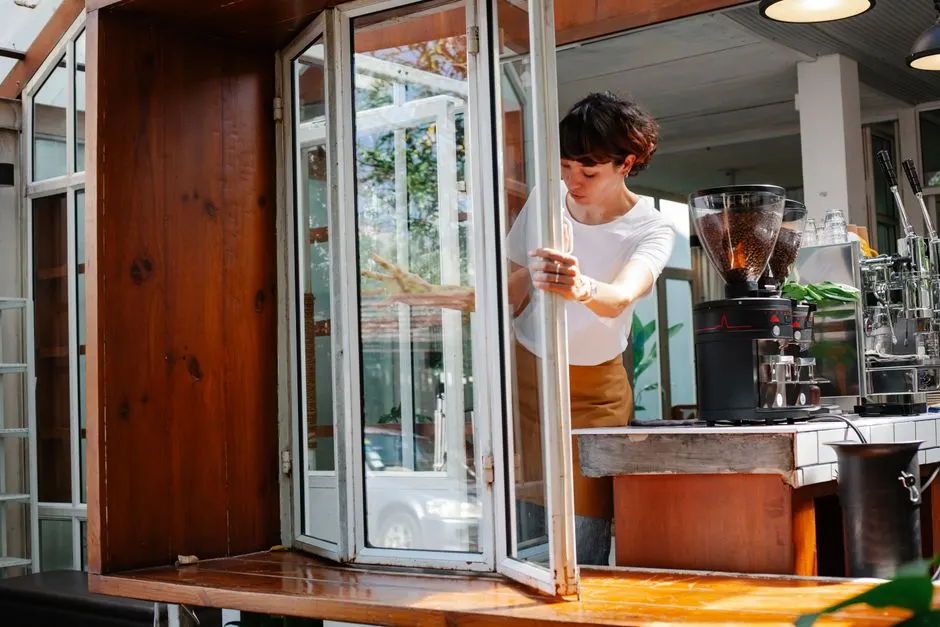 Window ReplacementFull-frame and pocket replacement for any opening in the house. If your double hung units are beyond repair, this is the path. We match trim and siding so the exterior looks original.Explore →
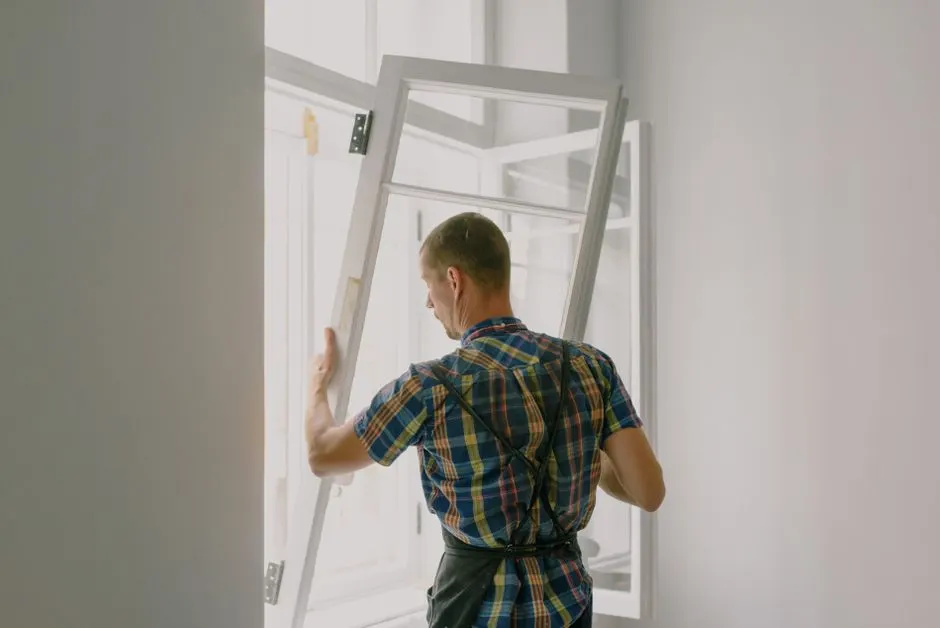 Window InstallationNew-construction and remodel installation for builders and homeowners. We set, flash, and seal to ICC code compliance, then hand off a clean opening ready for trim.Explore →
 Residential Window ReplacementWhole-home window replacement for Ohio houses from 800 to 4,000 square feet. We phase the work by floor so you always have a livable house during the job.Explore →
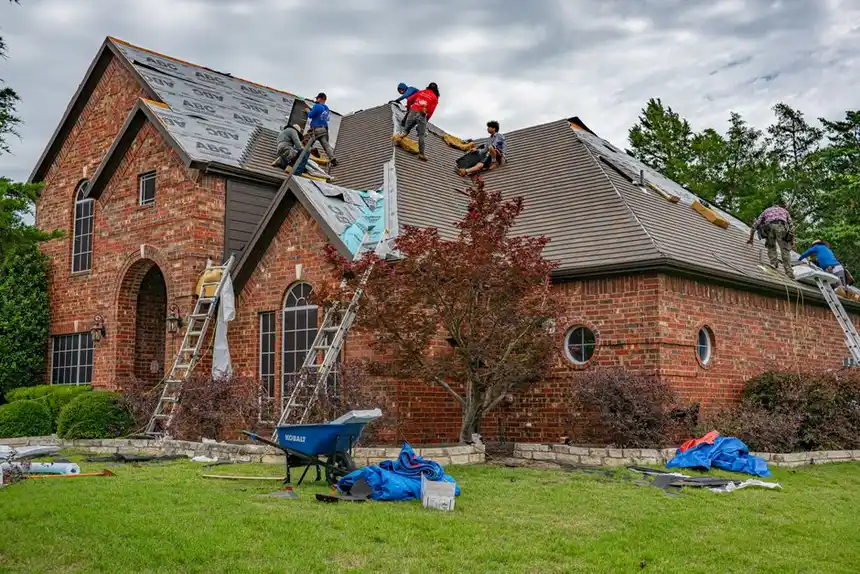 Full House Window ReplacementEvery opening in one project, which drops the per-window price and finishes in two to four days. Best value when more than half your windows have failed seals.Explore →
 Single Window ReplacementOne cracked pane or a failed seal in the front room. We order the matching unit and install it without touching the rest of the house.Explore →
 Casement Window InstallationCrank-out units for kitchens, basements, and hard-to-reach spots where a double hung will not work. Same flashing and sealing standard.Explore →
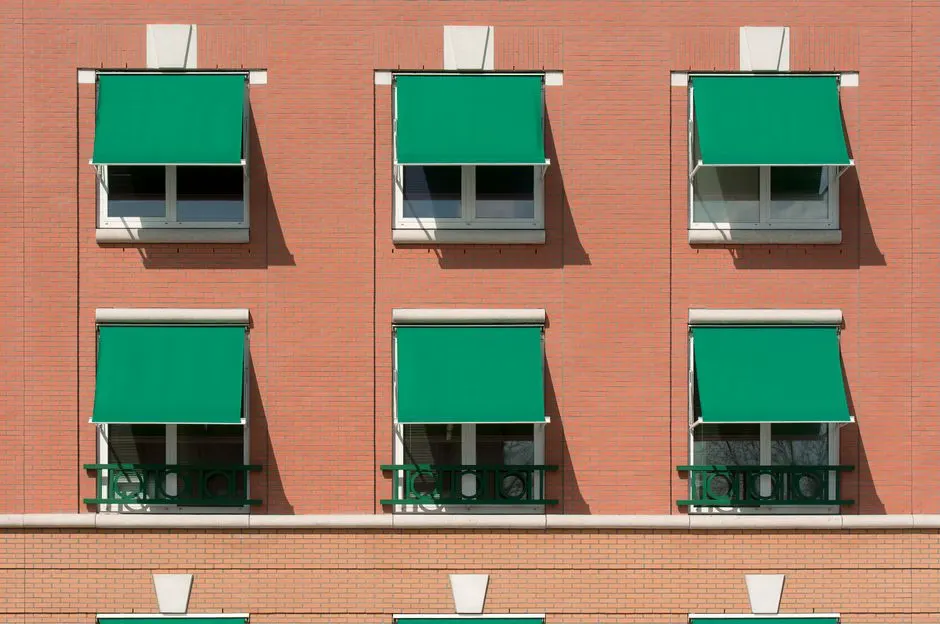 Awning Window InstallationTop-hinged windows that vent in rain, popular over sinks and in Ohio three-season rooms. Good airflow without water on the sill.Explore →
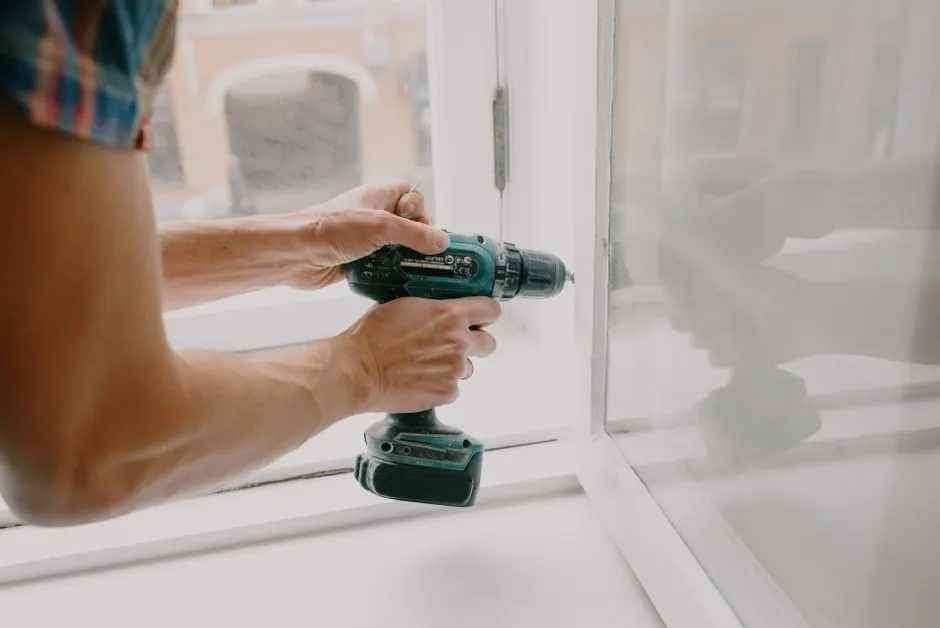 Bay Window InstallationProjecting units that add floor space and light. We frame, flash, and finish the interior so the bay looks built-in, not added on.Explore →
One call gets you a per-window price, a written labor warranty, and a crew that flashes every opening. We install statewide and answer the phone seven days a week.
Get Free Quote +18333460519 →Call or email and you will reach a person who schedules window work, not a call center. Tell us how many openings, what is wrong with them, and your address, and we will book a measure visit. Most quotes go out within 48 hours and most installations are scheduled inside two weeks. Storm damage gets same-day attention.