Double hung vs casement windows: which is better for Ohio homes
Double hung vs casement windows for Ohio homes: compare energy efficiency, cost, ventilation, and maintenance to choose the right style for your house.
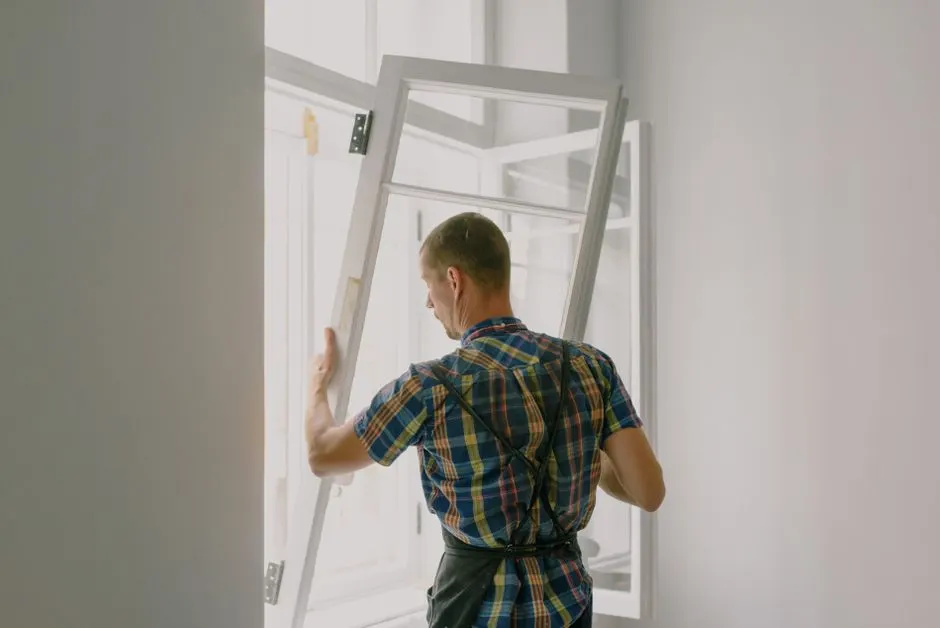
For most Ohio homes, double hung windows are the better all-around choice: they cost less to replace, fit the state's older housing stock, and handle the freeze-thaw cycle without the hardware headaches casements can develop. Casement windows win in specific spots - kitchens, basements, and any wall where you want maximum ventilation and a tighter air seal against winter wind. The rest of this post breaks down how each style performs in Ohio's climate, what they cost in 2026, and where each one makes sense on a real house.
The short answer: double hung vs casement windows for Ohio homes
Double hung vs casement windows for Ohio homes is a comparison that comes down to three things: how your house was built, which direction the window faces, and how much you care about ventilation versus air tightness. Double hung windows have two sashes that slide up and down; casement windows have a single sash that cranks out like a door. Both are excellent when installed correctly. They just solve different problems.
If you live in a 1920s Cleveland bungalow or a 1970s ranch outside Dayton, double hung is almost always the right call. If you're finishing a basement, adding a window over a kitchen sink, or replacing a picture window on a west-facing wall that takes the brunt of summer sun, casement deserves a hard look.
We install both styles across Ohio, and we've replaced enough of each to know where homeowners end up disappointed. It's rarely the window. It's the wrong window in the wrong opening.
How Ohio's climate stresses windows
Ohio windows face a specific combination of punishment: humid summers that swell wood frames, winters that drop to single digits and below, and a freeze-thaw cycle that runs from late October through March. That cycle is the real enemy. Water gets into a joint, freezes, expands, and pries the frame apart a little more each year.
Add lake-effect wind in the northeast - Cleveland, Euclid, Lakewood - and you have a climate that punishes any window with a weak seal or cheap hardware. Homes in the Cincinnati and Dayton corridor get less snow but more summer humidity, which is hard on wood sashes and cheap vinyl alike.
That's why the style matters as much as the glass package. A double hung window with a good weatherstrip and a casement with a multi-point lock both handle Ohio fine. A casement with a single crank and worn hinges will leak air within five years. A double hung with a cheap sash lock will rattle in a 40 mph November gust.
We see this constantly on homes we service through window replacement Cleveland Ohio, where 100-year-old double hungs have finally given up after decades of freeze-thaw. The replacement style usually matches what was there - because it fits the opening and the architecture.
Double hung windows: pros and cons for Ohio
Double hung windows are the default in Ohio for a reason: they fit nearly every opening, they're easy to clean from inside, and they're the cheapest style to replace in most sizes. A standard 30x54 double hung runs $450 to $750 installed in 2026, depending on glass package and frame material.
Pros
- Ventilation control: You can open the top sash, the bottom sash, or both. That matters in a two-story Ohio home where hot air pools upstairs in July.
- Tilt-in cleaning: Modern double hungs tilt inward so you can wash both sides from inside. No ladder, no leaning out a second-floor window.
- Fit for older homes: Ohio has one of the oldest housing stocks in the Midwest. Double hung matches the original openings in most pre-1960 homes without framing changes.
- Lower cost: Fewer moving parts, simpler hardware, faster install. That savings shows up on your invoice.
Cons
- More air leakage points: Two sashes mean two places where air can sneak past the weatherstrip. A well-made unit seals fine; a cheap one doesn't.
- Smaller clear opening: You never get the full window opening for ventilation, which matters if you're trying to move air through a room.
- Hardware wear: Sash balances and locks wear out. On a $300 big-box unit, expect 8-12 years. On a quality unit, 20+.
For most Ohio homeowners replacing like-for-like, double hung is the safe, sensible call. We install hundreds of them a year through our double hung window installation in Ohio service, and they hold up well when the unit is decent and the install is done right.
Casement windows: pros and cons for Ohio
Casement windows crank open like a door and seal against the frame with a compression gasket, which is why they're the tighter window in a wind-driven Ohio winter. A good casement with a multi-point lock leaks less air than any double hung at the same price point.
Pros
- Tighter seal: The sash presses into the frame instead of sliding past it. That's a real difference on a west-facing wall in January.
- Full ventilation: The entire sash opens. You can catch a cross-breeze with half the window count.
- Better for hard-to-reach spots: Over a kitchen sink, above a counter, or in a basement window well, a crank beats leaning over a faucet to shove a sash up.
- Clean lines: No meeting rail in the middle. More glass, less frame.
Cons
- Hardware failure: Crank mechanisms, hinges, and operators are the weak point. Cheap ones fail in 5-7 years. Quality ones last 15-20.
- Wind catch: An open casement acts like a sail. In a storm, it can rip the sash right out of the frame. You close them before weather rolls in.
- Higher cost: A comparable casement runs $550 to $900 installed in 2026 - roughly 15-25% more than a double hung of the same size.
- Screen hassle: Screens sit on the inside, which is fine, but they're easier to knock loose than a double hung screen.
Casements shine in specific applications. If you're replacing a window over a sink or adding ventilation to a finished basement, they're the better tool. Our casement window installation in Ohio work is mostly in those spots - not whole-house replacements.
Which window type is better for energy efficiency in Ohio?
Casement windows are slightly more energy efficient in Ohio because the compression seal blocks air infiltration better than the sliding seal of a double hung. But the difference is small - typically 5-10% on air leakage - and it's dwarfed by the glass package and the quality of the install.
Here's what actually moves your energy bill in Ohio:
- Glass package: Double-pane with low-E and argon fill is the baseline. Triple-pane helps in northeast Ohio where winter design temps hit 0°F or below.
- U-factor: Look for 0.30 or lower. That's the number that measures heat loss. A cheap double hung with U-0.30 beats a premium casement with U-0.35.
- Air sealing: Spray foam around the rough opening, proper flashing, and a tight shim job. We've seen $800 windows leak like $200 ones because the install was rushed.
- Orientation: South-facing windows gain heat in winter. West-facing windows cook in summer. Style matters less than where the window sits.
If your goal is the lowest possible energy bill, spend your money on the glass package and the installer, not the style. A well-installed double hung will outperform a poorly installed casement every winter.
Cost comparison: double hung vs casement in Ohio
Double hung windows cost less than casements in every size we install. Typical 2026 pricing in Ohio, installed with a standard double-pane low-E glass package:
- Double hung, 30x54: $450-$750 per window
- Casement, 30x54: $550-$900 per window
- Double hung, 36x60: $600-$950
- Casement, 36x60: $700-$1,150
Those ranges assume a straightforward replacement into an existing opening. If we have to reframe, add a header, or repair rot around the opening, add $150-$400 per window. We see rot on maybe one in five Ohio replacements, mostly on homes built before 1970 with original wood frames.
For a whole-house replacement - say 12 windows on a typical Ohio two-story - the difference between all double hung and all casement runs $1,200 to $2,400. That's real money, but it's not the deciding factor for most homeowners. Fit and function matter more.
If you're only replacing one or two windows, the cost gap shrinks to a couple hundred dollars. That's when it makes sense to pick the style that actually fits the room. We handle those small jobs through our single window replacement in Ohio service, and we'll tell you straight if the style you want won't work in the opening you have.
Common mistakes we see on Ohio window projects
The most common mistake is choosing style before checking the opening. A casement needs a clear swing path. If a kitchen counter, a cabinet, or a radiator sits in the way, the sash won't open. We've seen homeowners order casements, then discover the crank hits the counter at 45 degrees.
Other mistakes we run into regularly:
- Buying on U-factor alone: A great glass package in a poorly flashed opening will rot the frame within a decade. Installation quality matters as much as the window.
- Mismatching styles on the front of the house: If your front elevation has six double hungs, don't drop two casements in the middle. It looks wrong from the street and hurts resale.
- Skipping the low-E upgrade: In Ohio, low-E pays for itself in 4-6 years on south- and west-facing windows. It's the cheapest efficiency upgrade you can buy.
- Ignoring the freeze-thaw detail: Proper flashing and a sill pan are non-negotiable here. Water that gets behind the frame in November will freeze by December and start prying things apart.
- Hiring on price alone: The cheapest bid usually skips the flashing detail and the spray foam. You won't notice for three years. Then you will.
We see the results of these mistakes all over the state, especially on older homes we service through window replacement Akron Ohio, where the housing stock is mostly 1920s-1950s and the original frames have already survived one bad replacement.
When to call a professional
Call a professional when you're replacing more than one window, when the opening is out of square, or when you see rot, soft wood, or water staining around the frame. Those are signs the problem is bigger than the window itself.
Single-window swaps are doable for a confident DIYer with the right tools. Whole-house replacements, second-story work, and anything involving framing or flashing are not. The risk isn't the window - it's the water that gets behind it.
We handle the full range: single windows, full-house replacements, and everything in between. If you're not sure whether your project needs a pro, send us a photo of the opening and we'll tell you honestly. No pressure, no upsell.
Frequently Asked Questions
Which is better, double hung or casement windows, for Ohio?
Double hung is better for most Ohio homes because it fits older openings, costs 15-25% less, and handles the freeze-thaw cycle without crank hardware to fail. Casement is better for kitchens, basements, and west-facing walls where you want a tighter seal and full ventilation.
Are casement windows good for Ohio winters?
Yes. Casements seal tighter than double hungs because the sash compresses against a gasket, which cuts air infiltration by 5-10%. Just close them before storms - an open casement catches wind like a sail and can damage the hinges.
What window style is most energy efficient in Ohio?
Casement edges out double hung on air leakage, but the glass package matters more. A double hung with U-0.30 and low-E outperforms a casement with U-0.35. Spend your budget on glass and installation quality first.
How much do double hung windows cost in Ohio?
In 2026, a standard 30x54 double hung runs $450-$750 installed with a double-pane low-E package. Larger sizes and triple-pane glass push that to $950 or more. Add $150-$400 per window if the opening needs rot repair or reframing.
Can I mix double hung and casement windows on the same house?
Yes, and it's common. Keep the front elevation consistent - don't mix styles on the same wall facing the street. Casements work well on side and rear elevations, in kitchens, and in basements where the tighter seal and full ventilation are worth the extra cost.
Get help with Residential window installation and replacement in Ohio
If you're still weighing double hung vs casement for your Ohio home, we'll walk your openings with you and tell you which style fits each one. We install both, so we have no reason to push one over the other.
Call us at +18333460519 to schedule a free in-home assessment. We'll measure, check for rot, and give you a written price before any work starts.